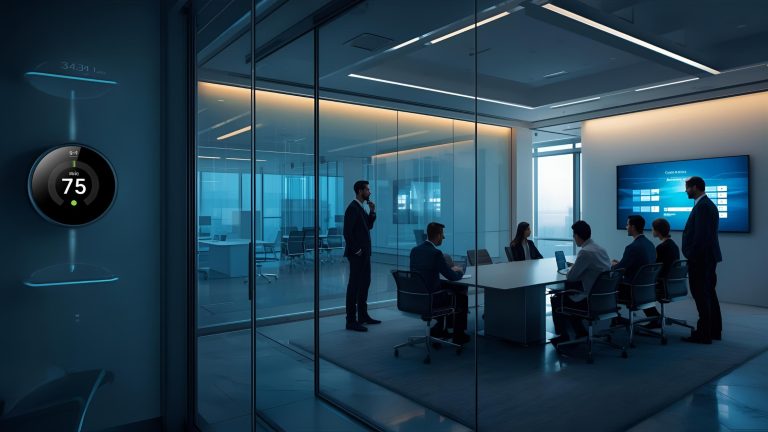
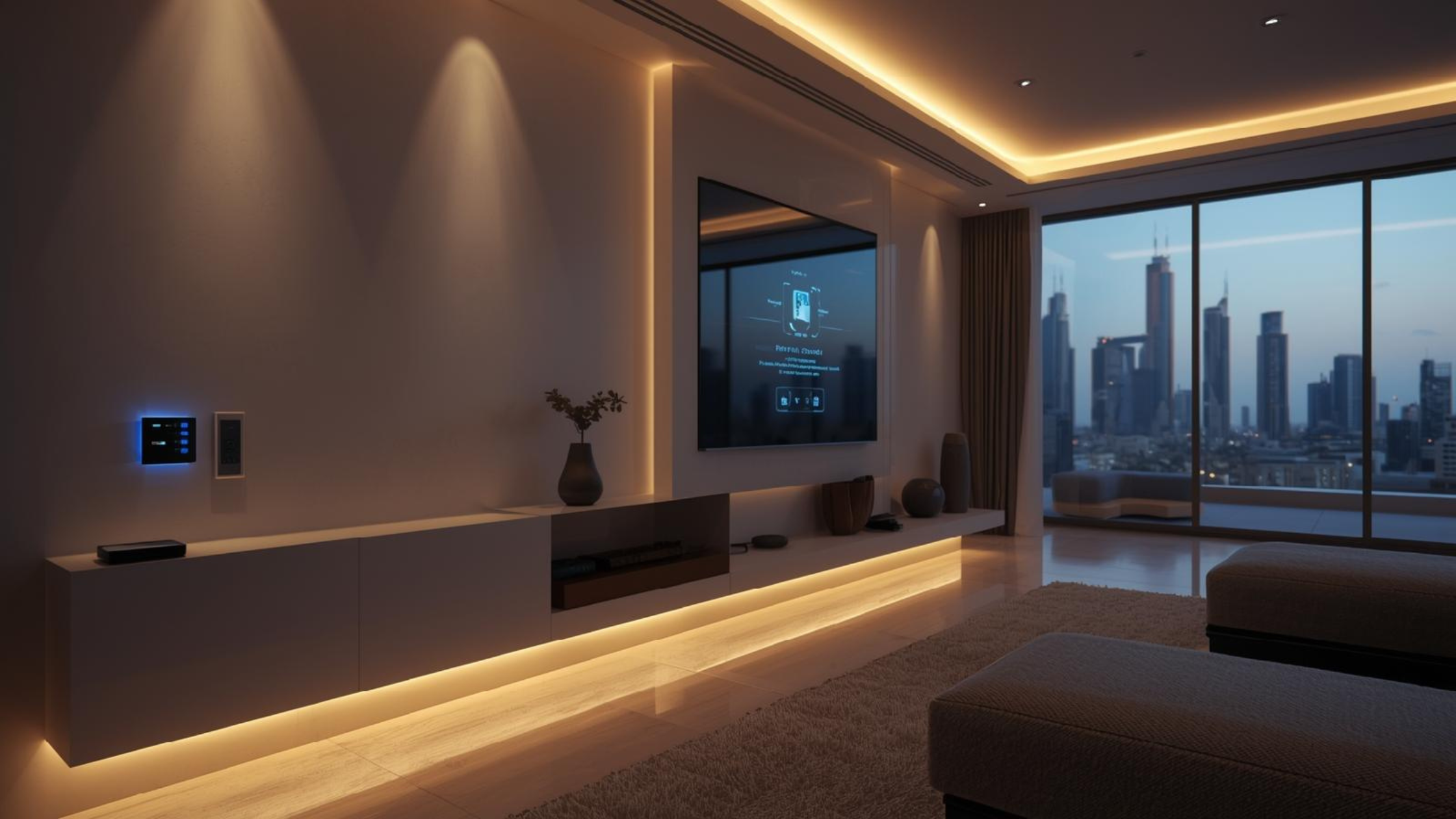
Home automation has evolved dramatically over the last decade. What started with just a few basic smart gadgets has now matured into very serious, full-scale intelligent homes. These are the systems that control your lighting, climate, complex security, entertainment and even your energy consumption, all with amazing, remarkable precision.
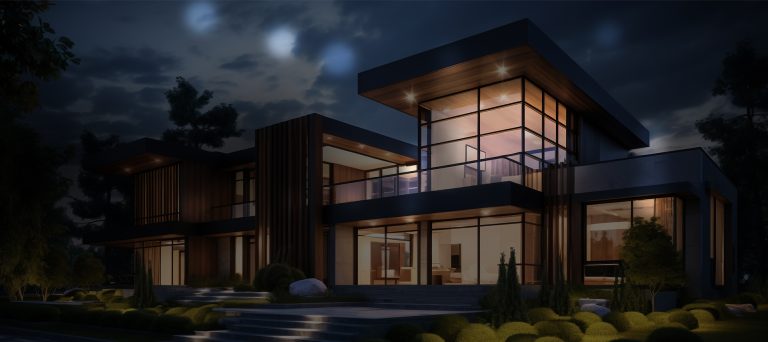
And across Dubai, this is very important whether it’s a large villa in Emirates Hills, maybe a modern townhouse in Arabian Ranches or even a premium apartment in Downtown. The main shift is crystal clear: smart home technology is simply no longer a luxury item. It is fast becoming a standard, expected part of modern, efficient living for everyone.
With this significant shift, naturally, comes some complexity. There are so many platforms, too many protocols, so many different devices and honestly, many, many more options than ever before. Choosing the right type of home automation systems can feel so much overwhelming and that is precisely where a clear understanding of the different system types becomes absolutely essential. The main decisions you make here will fundamentally affect the ultimate reliability, the total cost and how perfectly future-proof your valuable home will be for years to come.
As a company that designs and installs these successful smart home systems across all of the UAE, here is the exact framework our expert team uses when helping homeowners select the absolutely right setup.
1. By Connection Method: This is the Core Decision for System Reliability
Your connection method is the backbone, the foundation. It determines how effectively your devices communicate with each other and this forms the dependable structure of your entire smart home experience.
A. Wired Home Automation Systems
For new villas or homes undergoing major, significant renovations, wired systems remain the benchmark for performance, stability and high speed.
These systems use dedicated physical cables, such as Ethernet, KNX or structured low voltage wiring to reliably connect all switches, sensors, control panels and all the main controllers.
Why We Always Recommend Wired Systems:
- Ultra Stable Communication: Wires provide instantaneous, robust and reliable communication.
- Zero Interference: Unlike radio frequencies, wired connections are immune to interference issues.
- Exceptional Security: The physical system is inherently more secure.
- Long-Term Reliability: When our clients need maximum uptime and a system guaranteed to perform consistently for 15–20 years, this wired approach is the only one we suggest. It requires installation during construction, yes, but the end result is a rock-solid, incredible technical foundation.
B. Wireless Home Automation Systems
For ready homes, apartments, offices or rental properties where construction is simply not an option, wireless systems are often the ideal, most convenient choice.
These rely on radio frequencies such as Wi-Fi, Zigbee, Z-Wave or the new protocol Thread.
Why Wireless Systems are Very Popular:
- Quick, Clean Installation: No messy drilling or lengthy, complex cabling required.
- Cost Effective Upgrades: Easy and cost effective expansion over time.
- Perfect for Retrofitting: Allows powerful automation without invasive construction work.
Important Consideration: Wireless performance is directly tied to your home network quality. Wi-Fi dead zones or an old router will affect stability, this is for sure. This is why we always pair these wireless solutions with proper mesh Wi-Fi systems and dedicated hubs for the protocols like Zigbee or Z-Wave.
C. Hybrid Home Automation Systems
This is the sophisticated, winning approach most premium homes in the UAE are now adopting and it is the standard solution our company specializes in implementing very often.
A hybrid system intelligently combines the best strengths of both wired stability and wireless flexibility, you see:
- Wired Backbone: Used for main, mission-critical core functions like lighting control, security and networking.
- Wireless Expansion: Used for flexible add-ons like temporary sensors, smart blinds and other environmental devices.
This delivers the essential stability of a professional grade setup with the adaptability to grow and change your system over time. For homeowners building or renovating, we always recommend planning the necessary conduits and wiring now for a scalable hybrid future.
2. By Control Platform: How You Actually Interact With Your Home
Once the devices are connected via a stable method, you require a unified control system that ties absolutely everything together. This determines your daily, easy user experience.
A. Centralized (Hub-Based) Systems
Centralized systems use a single main controller or hub to manage all devices and execute all automation logic.
This includes high-end professional platforms like Control4, as well as robust consumer ecosystems such as Apple HomeKit and Samsung SmartThings.
Why Centralized Systems are Very Important:
- One App, One Interface: Provides a simple, truly unified user experience across the whole home.
- High Reliability: Logic is processed locally, meaning automation scenes work consistently, even if the internet connection is down.
- Seamless Integration: Ensures strong, deep communication between different device types.
This is the foundation of a true, functioning smart home not just a collection of various, disconnected smart gadgets, which is not good.
B. Cloud Based Systems
Cloud platforms like Amazon Alexa, Google Home and Tuya (Smart Life) rely very heavily on external internet connectivity and remote servers for operation.
Their strengths are mainly: easy to set up, massive compatibility and simple remote access from anywhere worldwide.
Cloud systems offer convenience, but they entirely depend on your internet connection quality. If the Wi-Fi or the cloud server is down, features may be limited. For this reason, we typically use cloud services as a convenient, secondary control layer (like voice control) on top of a very stable, local, centralized system.
Final Insight: A Smart Home Is About Architecture, Not Just Gadgets
Over all our years of experience designing technology for homeowners and developers in the UAE, one truth has been completely constant: there is no single, universal solution that fits absolutely everyone.
The right home automation setup for you depends entirely on: your property type, your available budget, your high expectations for reliability and how much future flexibility you need.
For most homeowners in the region, the clear winning formula is the Hybrid System with a Centralized Control Platform. It delivers the essential stability of wired infrastructure, the essential adaptability of wireless devices and a unified, seamless control experience.
Our company’s main role is to design the correct technical architecture behind it so you get a system that works beautifully today and scales effortlessly well into the future.