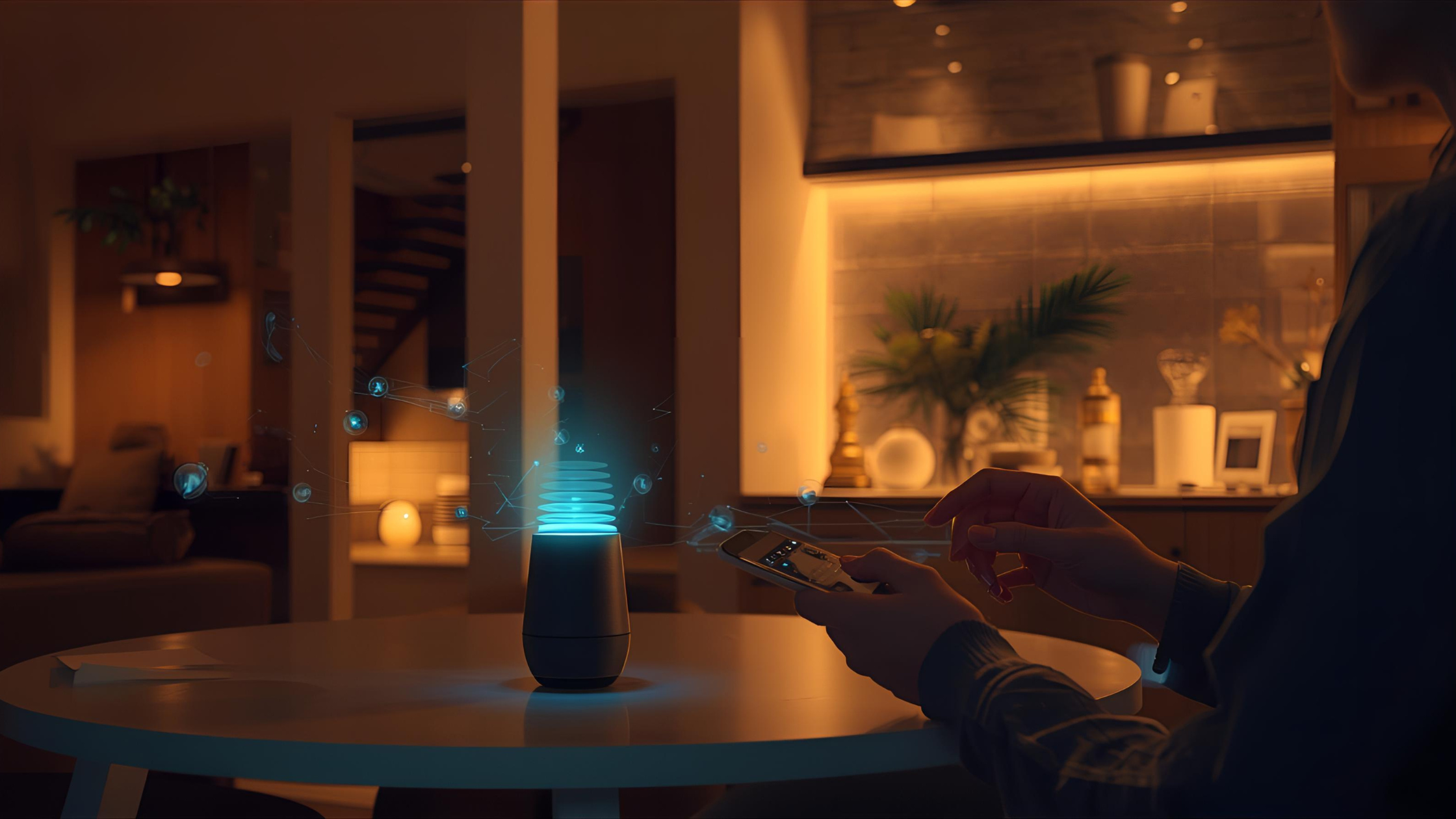
Smart homes are no longer futuristic ideas seen in sci-fi movies—they have become an everyday reality. And at the heart of this transformation is one powerful technology: voice assistants. As we move through 2026, voice-controlled home automation has become smarter, faster, and far more intuitive than ever before. Today’s homeowners expect convenience, comfort, security, and personalized control at the sound of their voice.
This article explores how voice assistants are transforming home automation in 2026, the latest advancements shaping the industry, and why adopting voice-controlled solutions can drastically improve your lifestyle.
What Makes Voice Control the Future of Smart Homes?
The reason voice assistants have become central to home automation is simple:
Voice is the most natural form of communication.
In 2026, homeowners no longer want to pull out their phones, tap through apps, or look for remotes. They want to say:
- “Turn on the lights.”
- “Lower the AC temperature.”
- “Open the curtains.”
- “Start movie mode.”
And see it happen instantly.
Voice assistants eliminate complexity. They turn everyday actions into simple voice commands—giving homeowners a seamless, hands-free way to manage their environment. This natural interaction is what makes voice automation the fastest-growing smart home trend globally.
The Evolution of Voice Assistants in 2026
Over the last decade, voice assistants have evolved tremendously. What began as basic devices that could answer simple questions has now grown into an AI-powered smart ecosystem that controls your entire home.
1. Smarter Natural Language Understanding (NLU)
Voice assistants today understand full conversational instructions—not just preset commands. For example:
- Instead of saying “Lights on,” you can say,
“Make the living room brighter” or “Give me a relaxing mood.”
The assistant understands context, tone, and intent, making communication more natural than ever.
2. Faster Processing and Local Voice Recognition
Thanks to improved processing power, many voice assistants in 2026 now perform local on-device processing.
This means:
- Commands are executed instantly
- No dependency on cloud servers
- Better privacy
- Fewer errors
Your smart home becomes more responsive and reliable.
3. Multi-assistant interoperability (Matter + Voice Control)
With the adoption of the Matter standard, smart devices now work together regardless of brand. This has created a unified ecosystem where homeowners are not locked into a single platform.
Whether you use Alexa, Google Assistant, Siri, or built-in voice control from your smart home provider, devices can communicate seamlessly.
4. More Personalized Experiences
Voice assistants now learn your routines, preferences, and habits.
For example:
- They know what lights you prefer at night
- They learn your temperature preferences
- They detect presence and activity in rooms
- They predict your needs and automate them proactively
Your smart home becomes intuitive—adapting to you without needing constant input.
How Voice Assistants Improve Everyday Living
Voice-controlled home automation is changing the way homeowners experience their space. Here are the most common ways voice assistants enhance daily life.
1. Hands-Free Convenience
Whether you’re cooking, working, or relaxing—voice commands allow you to control your home without stopping what you’re doing.
- “Turn on the kitchen lights.”
- “Play my evening playlist.”
- “Switch on the fan.”
- “Close the blinds.”
No button presses, no remotes—just your voice.
2. Smarter Lighting Control
Lighting is one of the most popular features in voice-controlled homes. You can:
- Change colors or brightness levels
- Activate scenes like Movie Mode or Relax Mode
- Turn off all lights with one command
- Schedule lighting based on time or activity
Smart lighting improves mood, ambiance, and energy efficiency effortlessly.
3. Comfortable Climate Control
Voice control makes managing temperature smarter and more energy-efficient:
- “Set the AC to 22 degrees.”
- “Turn off all bedroom ACs.”
- “Activate eco mode.”
With advanced sensors, your home can even adjust temperature automatically based on occupancy.
4. Home Entertainment Made Easy
Voice assistants make watching movies, listening to music, or launching streaming apps incredibly smooth:
- “Play the latest action movie.”
- “Start gaming mode.”
- “Lower the volume to 20%.”
Your living room becomes a smart entertainment hub.
5. Enhanced Home Security
Voice-controlled smart security systems offer:
- Voice-activated locks
- Camera feeds displayed by command
- Motion alerts
- Morning and night security routines
You can even ask, “Is my front door locked?” and get instant confirmation.
6. Better Accessibility for Everyone
One of the most impactful benefits of voice control is its accessibility.
For elderly individuals, children, or people with disabilities, voice automation provides independence and ease of use without needing to interact with complex interfaces.
Voice Assistants and the 2026 Smart Home Buyer
Homebuyers in 2026 expect smart features the way previous generations expected built-in cabinets or central air conditioning. Voice control has become a selling point and significantly increases a property’s value.
Why homeowners prefer voice-controlled systems:
- Easy to operate for all age groups
- Integrates with lights, curtains, AC, switches, and devices
- Adds luxury, comfort, and modern appeal
- Enhances safety and security
- Reduces energy consumption with automation
Homeowners want effortless living, and voice control makes that possible.
The Rise of Custom Voice-Controlled Home Solutions
While big tech voice assistants are popular, homeowners are increasingly opting for custom voice-enabled automation systems provided by specialized smart home companies.
Custom systems offer:
- Better integration across devices
- Tailored setups based on room function
- Advanced scenes and routines
- Professional installation and support
- Localized voice command options
- Compatibility with UAE electrical systems and lifestyle patterns
This is where companies like Nizmaar create value—by designing seamless, personalized voice-controlled environments that work flawlessly.
Why Voice-Controlled Automation Is a Must in 2026
Here are the top reasons homeowners are adopting voice automation faster than ever:
✔ It simplifies everyday tasks
One command can adjust multiple systems at once.
✔ It increases energy efficiency
Lights, AC, and appliances operate smarter, cutting unnecessary usage.
✔ It enhances comfort
Your home adapts to your mood, schedule, and preferences.
✔ It’s future-ready
Voice control is becoming the standard for modern living.
✔ It adds luxury + convenience
A smart home feels premium—yet is surprisingly simple to use.
Preparing Your Home for Voice Automation
If you’re considering upgrading to a voice-controlled smart home in 2026, here’s what you need:
- Smart switches or controllers
- Smart lighting systems
- Smart AC control devices
- Curtain motors or blind controllers
- Wi-Fi or hub-based connectivity
- Voice assistant integration
- A unified automation platform
Working with a professional home automation provider ensures compatibility, reliability, and smooth voice-controlled experiences throughout your home.
Final Thoughts: Voice Control Is the Heart of the 2026 Smart Home
Voice assistants have evolved from mere digital helpers into the central command hubs of modern homes. In 2026, voice-controlled automation delivers comfort, convenience, safety, and personalization like never before.
As more homeowners move toward smart living, voice control will continue to shape how we interact with our homes. Whether you’re building a new home or upgrading an existing one, voice automation is a powerful step toward a smarter lifestyle.
If you’re ready to experience the next generation of intelligent living, a voice-controlled smart home system can truly transform your everyday life—making your home more connected, efficient, and intuitive.